FBP

Functional Biochemistry and Proteomics
The overall research strategy of FBP is driven primarily by the need to translate strong basic science into clinically relevant advances and promoting transfer of technology. FBP strategy is based on the integration of high quality multi-disciplinary academic, researcher and clinical activity with a strong focus on translational research.
FBP research team has long expertise in the biochemical aspects of vitamin K-dependent proteins (VKD) and aparticularly unique knowledge about the biochemistry, molecular biology and biomedical aspects of a new VKD member, Gla rich protein (GRP) for which methods and assays are proprietary IP (PCT/PT2009/000046).
Our research interests include the study of GRP and otherkey genes involved in processes of ectopic calcification and inflammation related diseases such as atherosclerosis, cancer, osteoarthritis, renal disease and diabetes. Through a combination of in vivo studies using human biological samples and in vitro and ex vivo model systems, our research aims to establish new molecular knowledge on the pathophysiology and molecular mechanisms behind the onset and development of these highly prevalentdiseases. The output obtained will most certainly contribute to the prognostic, diagnostic and clinic therapeutics for pathological calcification and inflammation related diseases.
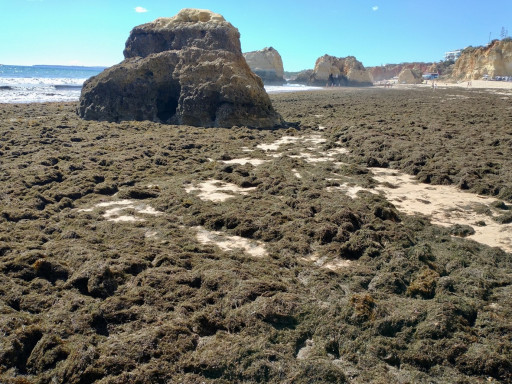
The research activities of FBP also include the exploitation of marine resources and the discovery and validation of natural products derived from marine organisms as novel pharmaceutical, health care and personal products to address key societal challenges. Novel drug leads are tested and developed using pre-clinical assays before clinical testing and translation into medical care or as potential and innovative cosmetics.
Main areas of research
The use of established pre-clinical human cell and tissue culture models, complemented with in vivo studies using a collection of well characterized human samples, for the study ofnovel intervening molecules and molecular mechanisms involved in highly prevalent diseases
Searching for novel disease biomarkers in circulation using collected human biological samples and correlation with clinical information.
Studies on the potential of circulating extracellular vesicles as novel biomarkers and drug delivery systems, with high diagnostic andtherapeutic value for calcification and inflammatory related diseases.
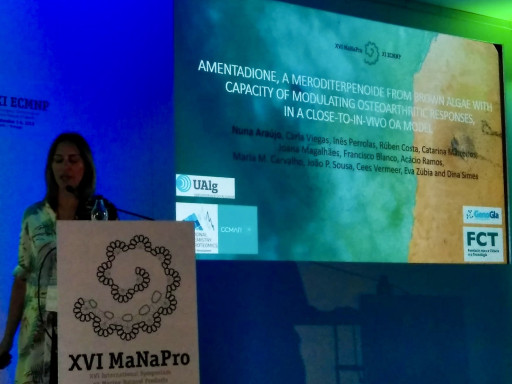
The use of in vitro and ex-vivo cell human modelsas pre-clinical assays for discovery and validationof marine bioactive products as novel diseasemodifying drugs (DMDs) and unveil theirmechanism of action.
Testing bioproducts from marine resources that could become potential and innovative cosmetics.